EPISODE 2 — Creating a Cat-Friendly Home


Creating a cat-friendly home doesn’t require major renovations or costly accessories. What matters most is designing an environment where your feline feels secure, mentally stimulated, and free to express natural behaviors. Cats are highly sensitive animals, and a well-organized home can significantly improve their wellbeing, reduce stress, and strengthen your bond.
One of the most important elements of a cat-friendly environment is vertical space. Unlike dogs, cats instinctively seek high places to observe their surroundings and feel safe. Installing cat trees, wall-mounted shelves, or a window perch gives your cat elevated territories where they can climb, rest, and watch the world go by. These vertical zones offer security in multi-pet homes and help reduce conflict by allowing cats to escape when they feel overwhelmed.
Alongside climbing areas, cozy hiding spots are essential. Cats retreat to hidden areas when they need quiet time, when guests arrive, or when they feel anxious. You can easily create these spaces using cardboard boxes, small tents, tunnels, or soft beds placed behind furniture. A few secluded areas throughout the home allow your cat to recharge without stress.
Another critical component of a cat-friendly home is providing scratching opportunities. Scratching is a natural feline behavior that supports muscle stretching, nail health, and emotional balance. If your cat doesn’t have proper scratching outlets, they may turn to carpets, sofas, or curtains. Offer posts made of sisal, cardboard, or carpet, and place them in high-traffic areas where your cat naturally likes to scratch. Rotating scratching options keeps cats engaged and prevents destructive behavior.
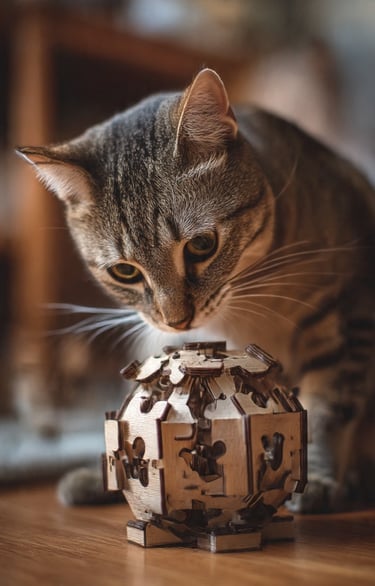
Mental stimulation is also a major part of a healthy feline environment. Enrichment activities mimic hunting instincts and reduce boredom. Try adding interactive toys, puzzle feeders, rotating play sessions, and scent-based enrichment like catnip or silvervine. Toy variety is key—introducing new toys every few days keeps your cat mentally active and prevents repetitive behavior or anxiety. Even simple changes such as placing toys inside paper bags or boxes can create exciting new experiences.
Cleanliness and thoughtful placement of essential items can also make a big difference. Keep litter boxes in quiet, accessible locations away from loud appliances and high foot traffic. Avoid placing litter boxes near food or water bowls, as cats prefer separation between these areas. Ideally, each cat in the home should have one litter box plus one extra. Regular cleaning helps prevent odor buildup and reduces the likelihood of litter-related issues.
When it comes to feeding, remember that cats prefer fresh water and often drink more when offered multiple water stations, fountains, or bowls placed around the home. Keeping water away from food bowls encourages better hydration and supports kidney health.
Finally, maintain a calm and predictable home atmosphere. Cats thrive in stable routines and peaceful surroundings. Soft lighting, organized spaces, and minimal noise contribute to a relaxing environment where your cat feels truly at home.
By incorporating these simple yet impactful adjustments, your living space becomes a place where your cat can climb, rest, play, hide, and explore safely. A cat-friendly home promotes emotional balance, physical activity, and a deeper connection between you and your feline companion.